
In the world of cured fish, few delicacies command as much reverence and cultural significance as lox. This silky, salt-cured salmon has transcended its humble origins as a preservation method to become a cornerstone of Jewish-American cuisine and a beloved gourmet ingredient worldwide. From the bustling delis of New York’s Lower East Side to modern brunch tables across America, lox represents a perfect marriage of tradition, craftsmanship, and flavor that has captivated food lovers for generations.
The narrative of lox involves perseverance, adjustment, and the evolution of cuisine. What began as a necessity for preserving fish in pre-refrigeration times has transformed into an art form that celebrates both heritage and innovation. Today, as we slice paper-thin ribbons of this amber-hued delicacy onto our bagels, we’re participating in a tradition that connects us to centuries of culinary wisdom and cultural identity.

What Is Lox?
Definition and Characteristics
Lox represents one of the purest forms of salmon preservation, distinguished by its unique preparation method that relies solely on salt curing without any smoking process. This traditional technique creates a product that’s fundamentally different from the smoked salmon varieties commonly found in grocery stores today. Genuine lox is made exclusively from the fatty belly part of the salmon, creating a rich, creamy texture and delicate flavor that has made it a highly sought-after delicacy.
The curing process transforms the raw salmon through osmosis, where salt draws out moisture while simultaneously penetrating the fish’s flesh. This creates a firm yet tender texture that’s neither raw nor cooked, but something unique. The result is a translucent, orange-pink fish with a silky mouthfeel that literally melts on the tongue. Unlike smoked salmon, which carries distinct smoky notes, authentic lox maintains the pure, clean flavor of the ocean with a subtle saltiness that enhances rather than masks the salmon’s natural taste.
The texture of properly cured lox is perhaps its most distinguishing characteristic. When sliced correctly, it should separate into delicate layers that can be draped elegantly over a bagel or arranged artfully on a plate. The fish should never feel rubbery or overly firm, nor should it be mushy or falling apart. This perfect balance requires precise timing during the curing process and careful handling throughout preparation and storage.
When compared to other cured salmon varieties, lox stands apart in several key ways. Gravlax, the Scandinavian counterpart, usually incorporates sugar and dill into the curing blend, resulting in a sweeter and more herbal flavor profile.. Hot-smoked salmon has a flaky, cooked texture and pronounced smoky flavor. Cold-smoked salmon, although resembling lox in texture, possesses the unique flavor of wood smoke.. Nova Scotia salmon, often mistaken for lox in American markets, is actually a cold-smoked product that has been brined and then lightly smoked, resulting in a milder flavor than traditional smoked salmon but still distinctly different from true salt-cured lox.
Why Lox Is a Culinary Favorite
The enduring popularity of lox in Jewish-American cuisine stems from both practical and cultural factors that have evolved over more than a century. In the early 20th century, as Jewish immigrants established communities in American cities, lox provided a taste of home while adapting to new ingredients and preferences. The classic combination of lox, bagels, and cream cheese became more than just a meal; it evolved into a cultural touchstone that connected generations and communities.
The appeal of lox extends far beyond nostalgia, however. From a nutritional standpoint, lox offers an impressive profile that aligns perfectly with contemporary health-conscious eating trends. A typical serving provides substantial amounts of high-quality protein, containing all essential amino acids necessary for human health. The omega-3 fatty acids present in salmon, especially EPA and DHA, stay unchanged during the curing process, providing advantages for heart health and promoting cognitive function.
The nutritional density of lox makes it particularly attractive to those following specific dietary protocols. With virtually no carbohydrates and moderate fat content, it fits seamlessly into ketogenic, paleo, and low-carb eating plans. The protein content helps promote satiety, making a lox bagel a surprisingly filling meal that can sustain energy levels throughout the morning. Furthermore, salmon offers essential vitamins and minerals, such as vitamin D, vitamin B12, selenium, and potassium.
Beyond nutrition, lox has gained popularity due to its versatility and sophistication. Modern chefs appreciate its ability to elevate simple dishes with minimal effort. The delicate flavor profile complements both traditional and contemporary ingredients, allowing for creative interpretations that respect the product’s heritage while exploring new culinary territories. This adaptability has helped lox transition from a niche ethnic food to a mainstream gourmet ingredient found in upscale restaurants and home kitchens alike.
The History of Lox
Origins in Jewish and Scandinavian Traditions
The history of lox intertwines the practical needs of preservation with the cultural traditions of multiple communities across Northern and Eastern Europe. Archaeological evidence suggests that salt-curing fish has been practiced for thousands of years, with various forms of preserved salmon appearing in Scandinavian cultures as early as the Viking era. These early preservation methods were born from necessity; communities needed reliable ways to store protein-rich foods through long winters and during periods when fresh fish was unavailable.
In Jewish communities throughout Eastern Europe, salt-cured fish became integral to dietary laws and cultural practices. The kosher preparation methods aligned perfectly with traditional curing techniques, and preserved fish provided essential nutrition during times when fresh options were limited or prohibited by religious observance. The term “lox” comes from the Yiddish word “laks,” translating to salmon, which highlights the significant linguistic and cultural ties between the dish and the communities that valued it.
Scandinavian influences on lox preparation cannot be overstated. The pristine waters surrounding Norway, Sweden, and Denmark provided abundant salmon, and local communities developed sophisticated curing techniques that maximized both flavor and preservation. These methods often involved burying salmon in salt and sometimes adding herbs or spices that grew locally. The knowledge of these techniques spread through trade routes and cultural exchange, eventually influencing Jewish communities throughout the region.
The pre-refrigeration era demanded innovation in food preservation, and salt-curing represented one of the most effective methods available. Salt not only prevented bacterial growth but also created chemical changes in the fish that enhanced flavor and texture. Communities developed specific rituals and timing around the curing process, often tied to seasonal availability of fish and the practical needs of feeding families through harsh winters.
Lox in American Culinary Culture
The shift of lox from a staple survival food to a celebrated culinary delicacy started with the significant waves of immigration to the United States during the late 19th and early 20th centuries. Jewish immigrants arriving primarily through Ellis Island brought their food traditions with them, but they also adapted these traditions to new environments and available ingredients. The abundance of salmon in American waters, particularly from the Pacific Northwest and Alaska, provided opportunities to continue traditional preparation methods while exploring new varieties and techniques.
The Lower East Side of New York emerged as the heart of lox culture in the United States, with places like Russ & Daughters at the forefront of maintaining traditional practices while also introducing modern techniques. These early delis didn’t just sell food; they served as community gathering places where cultural identity was maintained and evolved. The combination of Eastern European Jewish curing knowledge with American abundance and entrepreneurial spirit created a unique culinary environment that elevated lox from necessity to luxury.
The rise of the American deli culture in the mid-20th century cemented lox’s place in the broader American food landscape. As Jewish communities became increasingly woven into American culture, their culinary customs started to impact popular food choices. The classic “lox and bagel” combination became synonymous with weekend brunches, special occasions, and sophisticated urban dining.
Post-war prosperity in America allowed for the elevation of formerly humble foods to gourmet status. Lox benefited from this trend, as improved transportation and refrigeration made high-quality cured salmon more widely available. The development of commercial curing operations expanded production while maintaining traditional quality standards, making lox accessible to broader audiences without compromising its artisanal character.
How Lox Is Made
The Curing Process
Crafting genuine lox exemplifies a skilful harmony of timing, temperature, and method that has been honed over many years. The process begins with the careful selection of salmon, focusing specifically on the belly portion, which contains the highest concentration of beneficial oils and provides the characteristic rich flavor and silky texture that defines quality lox. The belly’s natural fat content not only contributes to flavor but also helps the fish cure more evenly and resist spoilage during the preservation process.

Traditional dry-salting methods involve covering the salmon belly in coarse salt, often kosher or sea salt, which draws moisture from the fish through osmosis while simultaneously penetrating the flesh with preservative minerals. The salt-to-fish ratio is critical; too little salt risks spoilage, while too much can create an overly salty product with compromised texture. Master curers often develop their own salt blends, sometimes incorporating small amounts of sugar to balance flavors or herbs to add subtle complexity.
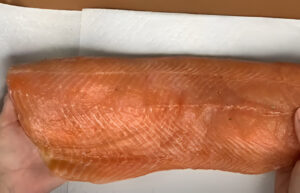
The curing timeline typically ranges from 24 to 72 hours, depending on the thickness of the fish, ambient temperature, and desired final texture. During this period, the salmon must be kept at consistent refrigeration temperatures while being turned periodically to ensure even curing. The fish gradually firms up as moisture is extracted, and the translucent appearance develops as proteins are altered by the salt’s chemical action.
Modern commercial operations often employ wet-brining techniques that can reduce curing time while maintaining consistency across large batches. These methods involve submerging salmon in carefully calibrated salt solutions that may include additional ingredients like brown sugar, juniper berries, or other flavoring agents. While purists argue for traditional dry-curing methods, modern techniques can produce excellent results when executed with proper attention to detail and quality control.
The final step involves thoroughly rinsing the cured salmon to remove excess salt, followed by a brief drying period that allows the surface to develop the proper texture for slicing. This stage requires careful timing; insufficient rinsing leaves the product overly salty, while excessive rinsing can compromise the preservation and dilute flavors that developed during curing.
Types of Salmon Used
The choice of salmon species significantly impacts the final character of lox, with different varieties offering distinct advantages in terms of flavor, texture, and availability. Atlantic salmon, scientifically known as Salmo salar, has become the predominant choice for commercial lox production, primarily due to its consistent fat content and wide availability through aquaculture operations. Farm-raised Atlantic salmon typically provides the rich, buttery characteristics that consumers expect from premium lox, though wild-caught versions offer more complex flavors when available.
Pacific salmon varieties each bring unique characteristics to the curing process. King salmon, also known as Chinook, represents the premium option with its exceptionally high oil content and large size. The belly portions of King salmon produce lox with unparalleled richness and a texture that’s almost custard-like when properly cured. However, the seasonal availability and higher cost of King salmon make it a specialty item rather than an everyday option.
Coho salmon offers an excellent middle ground, providing good fat content and flavor while being more affordable and consistently available than King salmon. The smaller size of Coho means belly portions are more limited, but the quality of lox produced can rival that of more expensive varieties. Sockeye salmon, while prized for its intense flavor and deep color, contains less fat than other varieties, which can result in a firmer, less traditional lox texture.
The sourcing of salmon plays a crucial role in both flavor development and ethical considerations. Wild-caught salmon typically offers more complex flavors developed through natural feeding patterns and ocean environments, but seasonal availability and higher costs limit its use in commercial lox production. Farm-raised salmon provides consistency and year-round availability, though critics argue that controlled feeding environments can produce fish with less nuanced flavors.
Quality factors extend beyond species selection to include handling, freshness, and processing methods. The best lox begins with salmon that’s been properly bled and chilled immediately after harvest, preserving the clean flavor and firm texture essential for successful curing. Fish that’s been frozen and thawed can still produce good lox, but the texture may be slightly different from fresh fish due to cellular changes during the freezing process.
Preparing and Serving Lox
Slicing and Presentation
The art of slicing lox properly transforms good cured salmon into an exceptional culinary experience. Professional technique requires understanding both the fish’s natural grain structure and the specific characteristics that curing has created within the flesh. The goal is to create paper-thin slices that maintain structural integrity while showcasing the translucent beauty and silky texture that defines quality lox.
Proper knife selection forms the foundation of excellent lox preparation. A long, flexible slicing knife with a razor-sharp edge allows for smooth, continuous cuts that don’t tear or compress the delicate fish. Many professionals prefer knives specifically designed for salmon preparation, which feature thin blades that minimize drag through the cured flesh. The blade should be cleaned and dried between cuts to prevent salt buildup that can affect both knife performance and flavor transfer.

The slicing technique begins with the proper positioning of the lox fillet. The fish should be placed skin-side down on a clean cutting board, with the belly portion oriented to allow cuts against the grain. Starting from the tail end, the knife should enter the fish at a slight angle, creating bias cuts that maximize the surface area of each slice. The motion should be smooth and continuous, allowing the knife’s sharpness to do the work rather than applying excessive pressure that can compress or tear the fish.
Temperature control during slicing significantly affects the final product quality. Lox should be kept well-chilled during preparation, as warmer fish becomes softer and more difficult to slice cleanly. Some professionals prefer to firm up the fish slightly by placing it in the freezer for 15-20 minutes before slicing, which makes achieving ultra-thin cuts easier without compromising texture.
Presentation techniques vary from rustic family-style serving to elaborate restaurant plating. Traditional presentation often involves arranging slices in overlapping patterns that showcase the fish’s natural color variations and marbling. Contemporary methods may emphasize geometric configurations or architectural displays that showcase the high-quality characteristics of the ingredients. Regardless of style, the key is maintaining the integrity of individual slices while creating visual appeal.
Classic Pairings and Serving Ideas
The traditional lox and bagel combination represents more than a simple food pairing; it embodies a perfect balance of flavors, textures, and cultural significance that has endured for over a century. The process starts with choosing a bagel, with options like everything, sesame, or plain, offering a subtle base that enhances the lox. Fresh bagels should be sliced and lightly toasted to create a slight textural contrast without overwhelming the delicate fish.
Cream cheese serves multiple functions in the classic preparation beyond simple flavor enhancement. Its creamy richness provides a luxurious mouthfeel that complements the lox’s silky texture, while its mild tang offers subtle acidity that brightens the overall taste profile. The fat content in cream cheese also helps carry and distribute flavors throughout each bite, creating a more cohesive eating experience. Temperature matters here; cream cheese should be soft enough to spread easily but not so warm that it becomes runny.
Traditional accompaniments each serve specific purposes in the overall flavor composition. Capers provide bursts of briny intensity that echo the ocean origins of the salmon while adding textural interest through their firm, pop-in-your-mouth quality. Thin slices of red onion contribute sharp, clean flavors that cut through the richness of both lox and cream cheese, while fresh dill adds an herbal note that historically connected the dish to Eastern European flavor profiles.
Modern interpretations have expanded the lox serving repertoire significantly while respecting traditional foundations. Avocado toast topped with lox creates a California-inspired variation that appeals to health-conscious diners seeking beneficial fats and fresh flavors. The creamy avocado provides similar textural elements to cream cheese while offering different nutritional benefits and a more contemporary aesthetic.
Creative presentations might include lox incorporated into charcuterie boards alongside complementary cheeses, crackers, and preserved items that highlight its artisanal nature. Sushi-inspired preparations showcase lox’s similarity to sashimi while creating fusion dishes that appeal to diverse palates. Salad applications allow the fish to serve as a protein centerpiece while surrounded by fresh vegetables and light dressings that don’t compete with its delicate flavor.
Popular Lox Recipes
Classic Lox and Bagel
Creating the perfect lox bagel requires attention to proportion, layering technique, and component quality that elevate this simple combination into a memorable meal. The foundation starts with bagel preparation, where the goal is to achieve the ideal balance between structural integrity and textural appeal. Fresh bagels should be sliced evenly and toasted lightly to create a slight crisp exterior while maintaining a chewy interior that won’t overwhelm the delicate lox.
The cream cheese application requires strategic thinking about coverage and thickness. A moderate layer spread evenly across both bagel halves provides the creamy foundation necessary for flavor balance without creating a heavy, overwhelming base. The cream cheese should extend nearly to the edges to prevent the lox from sliding off during eating, while being thick enough to cushion the fish but not so thick as to dominate the flavor profile.

Lox placement involves both aesthetic and practical considerations. Generous portions should be draped over the cream cheese in naturally flowing arrangements that showcase the fish’s translucent beauty while ensuring even distribution across the bagel surface. Overlapping slices create visual appeal while guaranteeing that each bite contains optimal amounts of fish. The lox should extend slightly beyond the bagel edges, creating an elegant presentation that suggests abundance without waste.
Traditional garnish application follows a specific hierarchy designed to complement rather than compete with the primary ingredients. Thin slices of red onion should be distributed sparingly to provide sharp flavor accents without overwhelming the delicate fish. Capers, used judiciously, add bursts of briny intensity that enhance the ocean flavors inherent in the lox. Fresh dill sprigs provide aromatic elements and visual color contrast while connecting the dish to its Eastern European heritage.

Variations on the classic formula allow for personal preference and seasonal adaptations while maintaining the fundamental character of the dish. Everything bagel seasoning sprinkled lightly over the assembled sandwich adds textural interest and savory complexity. Delicate slices of tomato add a touch of acidity and freshness, but it’s important to salt and drain them for a short time to avoid excess moisture that could undermine the integrity of the bagel. Cucumber ribbons provide crisp contrast and clean flavors that refresh the palate between rich bites.
Creative Lox Dishes
Contemporary culinary applications for lox extend far beyond traditional bagel preparations, showcasing the ingredient’s versatility while respecting its premium nature. Lox scrambled eggs represent a luxurious breakfast option that combines the richness of properly prepared eggs with the sophisticated flavors of cured salmon. The key to success lies in timing; lox should be added during the final moments of cooking to prevent overcooking while allowing the fish’s flavors to meld with the creamy eggs.
Lox tartare offers an elegant appetizer option that highlights the fish’s pristine quality through minimal preparation. This preparation typically involves dicing lox into small, uniform pieces and combining them with complementary ingredients like minced shallots, capers, fresh herbs, and a light vinaigrette. The result showcases the salmon’s natural flavors while creating textural interest through varied component sizes and the interplay between rich fish and bright acidic elements.
Pasta applications demonstrate Lox’s ability to transform simple dishes into sophisticated meals. Light cream sauces enhanced with lox create luxurious dinner options, while cold pasta salads featuring lox, fresh vegetables, and herb-based dressings offer elegant solutions for warm-weather dining. The key to successful pasta dishes lies in treating lox as a finishing ingredient rather than subjecting it to extensive cooking that can compromise its delicate texture.
Salad applications allow lox to serve as a protein centerpiece while surrounded by fresh, seasonal ingredients that complement its rich character. Mixed green salads with lox benefit from light vinaigrettes that don’t compete with the fish’s subtle flavors, while ingredients like cucumber, radishes, and fresh herbs provide textural contrast and clean flavors that refresh the palate.
Global Influences
The international appreciation for cured salmon has created fascinating cross-cultural interpretations that honor lox while incorporating diverse culinary traditions. Scandinavian gravlax preparation shares historical roots with lox but incorporates distinctly different flavor profil
es through the addition of sugar, dill, and sometimes aquavit or other spirits during curing. This creates a sweeter, more aromatic product that pairs beautifully with dark bread and mustard-based sauces traditional to Nordic cuisine.
Japanese culinary traditions have embraced cured salmon in ways that complement existing sashimi and sushi preparations. The careful knife techniques and visual appeal typical of Japanese cooking adapt wonderfully to the preparation of lox, while classic pairings such as wasabi, pickled ginger, and soy sauce offer intriguing fusion experiences that honor both culinary cultures.
European adaptations often reflect regional preferences and available ingredients, with French preparations incorporating herbes de Provence or light wine-based accompaniments, while Italian influences might include olive oil, lemon, and fresh basil combinations that create Mediterranean-inspired interpretations. These regional variations demonstrate lox’s fundamental compatibility with diverse flavor profiles while maintaining its essential character.
Modern Asian fusion approaches have created innovative preparations that highlight lox’s umami-rich characteristics through combinations with miso, sesame, and other traditional Asian ingredients. These preparations often emphasize the fish’s natural flavors while introducing new textural elements and aromatic profiles that expand the traditional serving repertoire without compromising quality or authenticity.
Lox in Modern Cuisine
Health Benefits and Dietary Trends
The nutritional profile of lox aligns remarkably well with contemporary understanding of healthy eating patterns and dietary trends that emphasize whole foods, healthy fats, and high-quality proteins. The omega-3 fatty acids present in salmon remain largely intact through the curing process, providing EPA and DHA in concentrations that support cardiovascular health, brain function, and inflammatory response regulation. These essential fatty acids cannot be produced by the human body, making lox a valuable dietary source for these critical nutrients.
The protein content in lox offers complete amino acid profiles necessary for muscle maintenance, tissue repair, and metabolic function. This high-quality protein provides satiety benefits that can help with weight management goals while supporting active lifestyles. The absence of carbohydrates makes lox particularly appealing to those following ketogenic or low-carb eating patterns, where high-fat, moderate-protein foods form the foundation of the dietary approach.
Vitamin and mineral content in lox contributes significantly to overall nutritional intake. Vitamin D, often deficient in modern diets due to limited sun exposure, appears in meaningful quantities in salmon and remains available through the curing process. Vitamin B12, essential for nervous system function and red blood cell formation, occurs naturally in salmon and is preserved during curing. Selenium, an important antioxidant mineral, appears in concentrations that support immune function and cellular protection.
However, the salt content in lox requires consideration for individuals monitoring sodium intake. The curing process necessarily involves substantial salt, which remains in the final product at levels that may concern those with hypertension or other cardiovascular conditions. Moderation becomes key, with serving sizes that provide nutritional benefits without excessive sodium consumption. Pairing lox with fresh vegetables, fruits, or other potassium-rich foods can help balance the sodium content while creating more complete nutritional profiles.
The compatibility of lox with various dietary restrictions and preferences has contributed to its modern popularity. Gluten-free diets easily accommodate lox, especially when served with appropriate bread alternatives or incorporated into naturally gluten-free dishes. Paleo and ancestral eating approaches celebrate lox as an example of traditional food preparation methods that maximize nutrition while avoiding processed ingredients.
Sustainable and Ethical Sourcing
Contemporary awareness of environmental and ethical issues surrounding seafood production has brought increased attention to the sourcing practices behind lox production. The salmon industry faces significant challenges related to overfishing, habitat destruction, and the environmental impacts of large-scale aquaculture operations. These concerns have prompted both producers and consumers to seek more sustainable approaches to salmon production and consumption.
Wild-caught salmon sourcing involves complex considerations regarding fishing quotas, seasonal restrictions, and habitat preservation. Alaska’s salmon fisheries, managed under strict sustainability protocols, provide examples of how wild-caught fish can be harvested responsibly while maintaining healthy population levels. These fisheries employ scientific monitoring, seasonal closures, and catch limits designed to ensure long-term viability while supporting local communities that depend on fishing for their livelihoods.
Aquaculture operations present different sustainability challenges and opportunities. Responsible salmon farming requires careful attention to feed sources, waste management, disease prevention, and impacts on wild salmon populations. Innovative farming techniques, including land-based recirculating systems and offshore operations, offer potential solutions to traditional environmental concerns while providing consistent supplies of high-quality fish for lox production.
Certification programs like the Marine Stewardship Council (MSC) and Aquaculture Stewardship Council (ASC) provide third-party verification of sustainable practices in both wild-caught and farmed salmon operations. These certifications help consumers identify products that meet specific environmental and social responsibility standards, though the availability of certified lox varies by region and producer.
The economic aspects of sustainable sourcing often involve higher costs that reflect the true environmental and social costs of responsible production. Premium lox producers increasingly emphasize their commitment to sustainable sourcing as both an ethical imperative and a quality indicator, recognizing that long-term industry viability depends on maintaining healthy fish populations and ocean ecosystems.
Where to Buy and Store Lox
Finding High-Quality Lox
Locating premium lox requires understanding the differences between mass-produced and artisanal products while knowing where to shop for the best quality options. Traditional Jewish delis remain gold standards for lox quality, with establishments like Russ & Daughters in New York, Barney Greengrass, and similar institutions maintaining decades-old relationships with quality suppliers and traditional preparation methods. These specialty retailers often provide opportunities to taste products before purchasing and offer expert guidance on selection and serving.
High-end grocery stores increasingly stock quality lox options, though selection varies significantly by region and store commitment to specialty foods. Whole Foods, Fresh Market, and similar retailers often feature both domestic and imported varieties, with packaging that provides information about sourcing, curing methods, and handling recommendations. The fish counter at these stores may offer fresher options than pre-packaged alternatives, allowing for custom slicing and portion selection.
Online retailers have revolutionized lox accessibility, allowing consumers in areas without specialty delis to access premium products directly from producers. Companies like Vital Choice, Sitka Salmon Shares, and other specialty seafood retailers offer overnight shipping of properly packaged lox that maintains quality during transport. These sources often provide detailed information about sourcing, curing methods, and storage recommendations that help consumers make informed purchasing decisions.
Visual and textural quality indicators help distinguish premium lox from inferior products regardless of source. High-quality lox should display consistent coloration ranging from pale orange to deep coral, with natural marbling that reflects the fish’s fat content. The surface should appear moist but not slimy, and the texture should feel firm yet yielding when gently pressed. Any off-odors, excessive saltiness detected through aroma, or slimy textures indicate quality problems that should prompt selecting alternative products.
Packaging quality provides additional clues about product handling and freshness. Premium lox typically comes in vacuum-sealed packages or containers that prevent air exposure while allowing visibility of the product. Clear labeling should include curing methods, expiration dates, and storage instructions, while responsible producers often provide information about sourcing and handling recommendations.
Storage and Shelf Life
Proper storage techniques are essential for maintaining lox quality and safety while maximizing the product’s usable life span. Unopened lox should remain in its original packaging and be stored in the coldest part of the refrigerator, typically the back of the main compartment or in designated deli drawers that maintain consistent temperatures. The ideal storage temperature ranges from 32 to 36 degrees Fahrenheit, which slows bacterial growth while preventing freezing that could damage texture.
Once opened, lox requires careful repackaging to prevent air exposure that can lead to oxidation and flavor deterioration. Wrapping in plastic wrap followed by aluminum foil creates a double barrier against air and moisture loss, while vacuum-sealing equipment provides the most effective protection for longer storage periods. Glass or plastic containers with tight-fitting lids can also work well, especially when combined with plastic wrap directly against the fish surface.
The shelf life of properly stored lox varies based on processing methods, packaging, and storage conditions. Unopened commercial lox typically maintains peak quality for 2-3 weeks past the sell-by date when stored properly, though this timeframe can vary by producer and processing methods. Once opened, lox should be consumed within 3-5 days for optimal flavor and safety, though visual and aromatic inspection can help determine continued quality beyond these general guidelines.
Freezing lox can extend its usable life significantly, though some textural changes are inevitable. When freezing becomes necessary, proper packaging becomes even more critical to prevent freezer burn and moisture loss. Double-wrapping in plastic followed by aluminum foil, or vacuum-sealing, helps maintain quality during frozen storage periods of up to three months. Thawing should be accomplished slowly in the refrigerator to minimize textural damage and prevent bacterial growth.
Signs of spoilage in lox include changes in color toward gray or brown tones, development of slimy textures, and off-odors that suggest bacterial growth. Any of these indicators warrants discarding the product regardless of storage timeline or expiration dates. When in doubt, the safest approach involves disposing of questionable lox rather than risking foodborne illness.
Tips for Cooking with Lox
Enhancing Flavors
The delicate nature of lox requires a thoughtful approach to flavor enhancement that amplifies rather than masks its subtle characteristics. Citrus elements provide natural partnerships with cured salmon, where lemon juice or zest adds brightness that balances the fish’s richness while enhancing its ocean flavors. The acidity in citrus also serves practical purposes by providing contrast to the salt content while adding aromatic elements that stimulate appetite.
Fresh herb combinations offer opportunities to create complex flavor profiles that complement lox without overwhelming its essential character. Dill remains the classic choice, providing aromatic notes that connect to traditional Eastern European preparations while adding visual appeal through its feathery texture and bright green color. Chives contribute mild onion flavors with less intensity than fresh onions, while parsley provides clean, fresh notes that refresh the palate between rich bites.
Cream-based accompaniments can enhance lox dishes through careful selection of complementary dairy products. Crème fraîche offers tangier alternatives to cream cheese with slightly lighter textures that work particularly well in warm preparations. Mascarpone provides ultra-rich options for special occasions, while Greek yogurt creates healthier alternatives that maintain creamy textures while adding protein and probiotics.
Wine and beverage pairings require consideration of lox’s salt content and delicate flavors. Champagne and other sparkling wines provide acidity and effervescence that cleanse the palate while celebrating the ingredient’s luxurious nature. Light white wines like Sauvignon Blanc or Pinot Grigio offer complementary acidity without overwhelming flavors, while traditional accompaniments like coffee or tea provide familiar comfort alongside the sophisticated fish.
Avoiding Common Mistakes
Temperature management represents one of the most critical factors in working with lox successfully. Overheating destroys the delicate texture that makes lox special, transforming the silky fish into tough, chewy protein that loses its essential character. When incorporating lox into warm dishes, it should be added during final moments of preparation or served at room temperature alongside warm components rather than subjected to direct heat.
Oversalting represents another common pitfall when working with lox, particularly since the fish already contains significant salt from the curing process. Additional salt should be used sparingly, if at all, with most seasoning needs met through herbs, citrus, or other flavor enhancers that don’t compete with the existing salt content. Tasting as you go becomes essential when developing recipes that feature lox as a primary ingredient.
Portion control requires understanding lox’s richness and intensity levels. Small amounts provide substantial flavor impact, making it unnecessary to use large quantities that can overwhelm other ingredients or create overly rich dishes. A little lox goes a long way, and restraint in portioning often produces better overall results than generous applications that unbalance dish compositions.
Storage mistakes can quickly compromise lox quality and safety. Leaving lox at room temperature for extended periods promotes bacterial growth and textural deterioration, while improper wrapping allows air exposure that causes oxidation and flavor loss. Cross-contamination with other foods, particularly those with strong odors, can affect lox’s delicate flavor profile and should be prevented through proper packaging and refrigerator organization.
Lox’s Cultural Significance
Lox in Jewish-American Tradition
The role of lox in Jewish-American culture extends far beyond simple sustenance, representing connections to heritage, community, and identity that have been maintained across generations and geographic boundaries. In the context of Jewish dietary laws, lox provided a kosher protein option that could be prepared according to religious requirements while offering the rich flavors and satisfying nutrition that communities needed during times of economic hardship and cultural transition.
The Sunday brunch tradition in Jewish-American families often centers around lox and bagels, creating weekly rituals that strengthen family bonds while passing cultural knowledge from older to younger generations. These gatherings serve educational functions where children learn about food preparation, family history, and cultural values through shared meals that celebrate both tradition and abundance. The act of slicing lox, arranging platters, and sharing stories becomes a form of cultural transmission that maintains community identity.
Holiday observances frequently feature lox as part of breakfast meals following Yom Kippur, where the rich, satisfying fish provides welcome nutrition after fasting periods. These meals carry deep significance as community gathering points where shared experiences of observance and celebration reinforce cultural bonds. The preparation and sharing of lox during these occasions connect contemporary Jewish-Americans to centuries of tradition while adapting ancient practices to modern circumstances.
Deli culture in cities like New York, Los Angeles, and Chicago has preserved and evolved lox traditions while making them accessible to broader audiences. These establishments serve as cultural ambassadors, introducing non-Jewish customers to traditional foods while maintaining authenticity and quality standards that satisfy community expectations. The intergenerational knowledge maintained by deli workers and owners represents invaluable cultural preservation that might otherwise be lost.
The symbolic aspects of lox in Jewish-American culture relate to themes of survival, adaptation, and prosperity that resonate throughout the immigrant experience. What began as practical preservation methods evolved into celebrations of cultural identity and community success, with the ability to purchase and enjoy premium lox representing both economic achievement and cultural continuity.
Saltfish: A guide to storing and culinary uses.