
Picture this: you’re walking down a bustling British high street on a chilly evening, and the aroma hits you – that unmistakable smell of batter, chips, and something distinctly savory wafting from the local chippy. Among the golden fish fillets and steaming portions of chips, there’s a bright red sausage that catches your eye. That, my friend, is a saveloy, and it’s been winning hearts (and stomachs) across Britain for over a century.
After spending a decade exploring British food culture, visiting countless fish and chip shops, and speaking with traditional butchers from Cornwall to Scotland, I can tell you that the saveloy is more than just a sausage – it’s a cultural institution. Whether you’re a curious foodie, a homesick Brit abroad, or someone who’s stumbled upon this mysterious red cylinder at your local chippy, this guide will give you everything you need to know about Britain’s most distinctive sausage.
In this detailed investigation, we will reveal the intriguing past of this legendary dish, analyse the specific ingredients that contribute to a traditional saveloy, and examine regional differences that may astonish you, and even learn how to prepare them at home. By the end, you’ll understand why this humble sausage has earned its place as a cornerstone of British comfort food.

What Exactly Is a Saveloy?
Let me start with a confession: when I first encountered a saveloy as a young food enthusiast, I was genuinely puzzled. Here was this bright red, smooth-skinned sausage that looked nothing like the traditional bangers I was familiar with. It wasn’t until I bit into one that I understood what all the fuss was about.
A saveloy is a highly seasoned, pre-cooked pork sausage encased in a distinctive red skin. Unlike your typical breakfast sausage, the saveloy has a fine, smooth texture that’s achieved through a specific grinding and emulsification process. The meat is processed to create an almost paste-like consistency before being stuffed into casings, which gives the finished product its characteristic firm bite and uniform appearance.
The most notable characteristic of a saveloy is certainly its vivid red surface. This isn’t just for show – the coloring serves both practical and aesthetic purposes. Traditionally, the red color came from the smoking process and natural spices, though modern commercial production often uses food coloring to achieve that eye-catching hue that makes saveloys instantly recognizable in any display case.
What sets saveloys apart from other sausages is their preparation method. They’re fully cooked during manufacturing, which means they only need reheating when you buy them. This made them incredibly practical in the days before widespread refrigeration, and it’s part of why they became so popular in working-class communities across Britain.
The texture is another defining characteristic. When you bite into a properly made saveloy, you should experience a slight resistance from the skin, followed by a smooth, almost bouncy interior. It’s quite different from the coarse, crumbly texture of traditional pork sausages, and this unique mouthfeel is something you either love or find rather peculiar – there’s rarely a middle ground.
In terms of flavor, a good saveloy should be well-seasoned with a noticeable but not overwhelming saltiness. The pork flavor should come through clearly, enhanced by the smoking process and whatever spice blend the manufacturer uses. The best ones have a subtle complexity that keeps you coming back for more, while cheaper versions can taste one-dimensional or overly salty.
The Fascinating History Behind Britain’s Red Sausage
The story of the saveloy is deeply intertwined with British social and industrial history, and it’s a tale that reveals as much about working-class ingenuity as it does about food preservation techniques. The origins trace back to the 18th and 19th centuries, when Britain was undergoing massive industrialization and urban populations were exploding.
During my research trips to historical food archives and conversations with elderly butchers, I discovered that the saveloy likely evolved from continental European sausage-making traditions brought to Britain by immigrant communities. The name itself is thought to derive from the French “cervelat,” a type of smoked sausage that was popular across Europe. However, British manufacturers adapted the recipe and production methods to suit local tastes and available ingredients.
The real breakthrough came during the Industrial Revolution. As people moved from rural areas to crowded cities, there was an increasing demand for affordable, convenient protein sources that could be stored without refrigeration. The saveloy fitted this need perfectly – it was cheap to produce, had a long shelf life, and provided substantial nutrition for working families.
It’s quite fascinating how the saveloy has come to be linked with fish and chip shops. This wasn’t accidental but rather a brilliant bit of business strategy. In the late 19th and early 20th centuries, chip shop owners were looking for additional items to offer customers, and the pre-cooked nature of saveloy made it perfect. They could be quickly reheated in the same oil used for chips, required no additional preparation, and added variety to the menu without significant investment in equipment or training.
The red coloring that makes saveloys so distinctive also has historical significance. Originally, this came from the smoking process and natural spices used in production. However, as mass production techniques developed, manufacturers began adding artificial coloring to ensure consistency and visual appeal. This bright red became so associated with saveloys that it’s now considered essential to their identity.
During World War II, saveloys played an interesting role in British food culture. While fresh meat was heavily rationed, processed foods like saveloys were sometimes more readily available, making them an important protein source for many families. This wartime association cemented their place in British comfort food culture, creating emotional connections that persist to this day.
The post-war period saw the rise of commercial saveloy production on an industrial scale. Companies like Mr. Porky’s and various regional manufacturers began producing them in massive quantities, standardizing the product while also creating regional variations that reflect local preferences and traditions.
What Goes Into Making a Proper Saveloy
Having spent countless hours in traditional butcher shops and even a few commercial processing facilities, I can tell you that making a proper saveloy is both an art and a science. The process requires specific techniques and quality ingredients to achieve that characteristic texture and flavor that defines a good saveloy.
The primary ingredient is pork, typically a mixture of lean meat and fat in roughly equal proportions. The quality of this pork is crucial – the best saveloys use shoulder and belly cuts that provide the right balance of flavor and fat content. The meat needs to be fresh and properly handled, as the fine grinding process that follows will concentrate any off-flavors present in inferior ingredients.
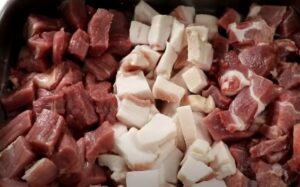
Traditional recipes often include a small percentage of beef, usually about 10-20% of the total meat content. This isn’t just cost-cutting – the beef adds depth of flavor and helps create the firm texture that’s essential to a good saveloy. Some manufacturers also include a small amount of pork rind, which contributes to both texture and flavor while making use of what might otherwise be waste products.
The seasoning blend is where individual manufacturers really distinguish themselves. Salt is obviously essential, both for flavor and preservation, but the supporting spices can vary significantly. Common additions include white pepper, coriander, nutmeg, and sometimes garlic. Some producers guard their spice blends as closely as Coca-Cola protects its formula, and having tasted dozens of different brands, I can tell you that these subtle differences really matter.
The grinding process is critical to achieving the smooth texture that characterizes saveloys. The meat is typically passed through increasingly fine grinding plates, sometimes multiple times, until it reaches an almost paste-like consistency. This is quite different from traditional sausage-making, where a coarser texture is usually preferred. Temperature control during grinding is crucial – if the mixture gets too warm, the fat can smear rather than emulsify properly, leading to texture problems in the finished product.

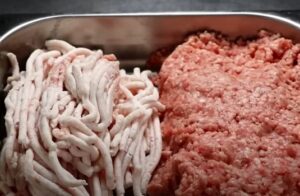
Emulsification is the next critical step, where the ground meat is mixed with ice-cold water to create a stable protein matrix. This process, similar to what’s used in making hot dogs, is what gives saveloys their characteristic firm yet tender texture. The mixture is beaten vigorously while being kept very cold, allowing the proteins to form a gel-like structure that will hold together during cooking.
The casing is typically made from collagen or cellulose, chosen for their ability to take on the distinctive red coloring and their strength during processing. Natural casings are sometimes used by artisanal producers, but they’re less common due to irregularities in size and appearance.
Once stuffed, the saveloys are typically smoked and cooked simultaneously. Traditional smoking might use oak or beech wood, which contributes to both flavor and the natural development of the red color. Modern commercial production often uses liquid smoke flavorings combined with controlled heating to achieve similar results more efficiently.
The cooking process usually involves gradually raising the temperature to around 160°F (71°C) internal temperature, which fully cooks the sausage while maintaining the desired texture. This is followed by an ice bath to quickly cool the products and stop the cooking process, helping to maintain that firm bite that’s essential to a good saveloy.

Regional Variations Saveloy Across the UK
One of the most fascinating aspects of saveloy culture is how this seemingly simple sausage has developed distinct regional variations across the United Kingdom. During my travels researching British food traditions, I’ve encountered some surprising differences that reflect local tastes, available ingredients, and cultural preferences.
In London and the Southeast, saveloys tend to be fairly standardized, largely due to the influence of major commercial producers. However, even here you’ll find variations. Some East London chip shops serve what they call “jumbo saveloys” – essentially larger versions of the standard product, while others offer spicier variants that cater to the diverse population of modern London.
The North of England has perhaps the most interesting regional variations. In Yorkshire, I’ve encountered saveloys that are noticeably more heavily spiced, with a stronger pepper presence that reflects the region’s preference for robust flavours. Lancashire producers sometimes include a small amount of black pudding in their mix, creating a darker, richer flavour profile that’s quite distinctive.
Scotland has its own take on the saveloy, with some producers creating versions that are more heavily smoked than their English counterparts. The Scottish preference for hearty, warming foods is reflected in these products, which often have a more pronounced savory character. I’ve also found that Scottish saveloys are often slightly larger in diameter than the English standard, perhaps reflecting different casing sizes or customer preferences.
Wales presents another interesting variation, particularly in the industrial valleys where saveloys have long been popular. Welsh producers sometimes include leek in their seasoning blends, a subtle nod to the national vegetable that adds a gentle onion-like note to the finished product. The texture tends to be slightly coarser than the English norm, possibly reflecting different grinding techniques or preferences.
The West Country has maintained some of the most traditional production methods, with several small-scale producers still using methods that haven’t changed significantly in decades. These artisanal saveloys often have a more irregular appearance but superior flavor, with some producers still using natural casings and traditional smoking methods.
Northern Ireland has developed its own unique saveloy culture, with some producers creating versions that are closer to continental European cervelat sausages than to English saveloys. These tend to be more heavily fermented, creating a tangier flavour profile that reflects different cultural influences.
What’s particularly interesting is how these regional variations have been preserved despite increasing commercialization and standardization in the food industry. Small, local producers continue to serve their communities with products that reflect centuries of local preference and tradition, creating a rich tapestry of regional food culture that adds depth to the simple concept of a “saveloy.”
Some regions have also developed unique serving styles. In parts of the Midlands, it’s common to see saveloys served with curry sauce, a combination that might sound unusual but works surprisingly well. The North East has a tradition of serving saveloys with peas pudding, creating a hearty combination that reflects the region’s industrial heritage.
How to Prepare and Serve Saveloys at Home
After years of experimenting with different preparation methods and serving styles, I’ve learned that while saveloys might seem straightforward, there are definitely right and wrong ways to handle them. The beauty of saveloys is their convenience – they’re pre-cooked, so you’re really just reheating them – but the method you choose can significantly impact the final result.
The most traditional method, and still my personal favorite, is boiling. Fill a saucepan with enough water to cover the saveloys, bring it to a gentle boil, then reduce the heat to maintain a simmer. Add the saveloys and heat for about 5-7 minutes. This method ensures even heating throughout and maintains the characteristic texture. The key is not to boil vigorously, as this can cause the skins to split and create an unappetizing appearance.
Pan-frying is another excellent option that adds a bit more flavor and visual appeal. Heat a small amount of oil or butter in a frying pan over medium heat, then add the saveloys. Turn them regularly to ensure even browning – this usually takes about 8-10 minutes total. The gentle frying creates an appealing golden-brown exterior while heating the interior thoroughly. I particularly like this method because it adds a bit of textural contrast between the crispy skin and the soft interior.
For those with modern equipment, microwaving is certainly the quickest option, though it’s not my preferred method. If you do microwave, pierce the skin in a few places to prevent bursting, place on a microwave-safe plate, and heat for about 90 seconds, turning halfway through. Place a moist paper towel over it to avoid drying out.
Grilling can work well, particularly if you’re preparing other items on the barbecue. The key is to use indirect heat and turn frequently to prevent the skins from charring while ensuring thorough heating. This method can add a pleasant smoky flavor that complements the existing smokiness in the saveloy.
When it comes to serving, the classic combination of saveloy and chips remains unbeatable in my opinion. The contrast between the smooth, savory sausage and the crispy, salty chips creates a perfect balance of textures and flavors. Add a generous helping of mushy peas, and you have a classic British meal that’s both satisfying and comforting.
However, don’t let tradition limit your creativity. I’ve discovered that saveloys work wonderfully in pasta dishes – slice them into rounds and add to a simple tomato sauce with herbs. They also make an excellent addition to a full English breakfast, providing a different texture and flavor profile alongside eggs, bacon, and beans.
For a more sophisticated approach, try slicing saveloys thinly and using them in a warm salad with potatoes, green beans, and a mustard vinaigrette. The saltiness of the sausage works beautifully with sharp mustard and fresh vegetables.
Storage is straightforward – fresh saveloys should be kept refrigerated and consumed within their use-by date. They can be frozen for up to three months, though the texture may be slightly affected after thawing. When reheating frozen saveloys, it’s best to thaw them completely first, then use any of the methods described above.
Nutritional Profile and Health Considerations of Saveloy
As someone who’s spent years analyzing British comfort foods, I think it’s important to address the nutritional aspects of saveloys honestly and practically. Like most processed meats, saveloys are best enjoyed as an occasional treat rather than a dietary staple, but understanding their nutritional profile can help you make informed choices about when and how to include them in your diet.
A typical saveloy (about 100g) contains approximately 280-320 calories, making it a fairly energy-dense food. The majority of these calories come from fat – usually around 22-26g per serving – with protein contributing about 12-15g. The fat content is quite high, which contributes significantly to the saveloy’s distinctive texture and rich flavor, but it’s something to be aware of if you’re monitoring your fat intake.
The protein content, while substantial, comes with some considerations. Processed meats like saveloys contain high levels of sodium, typically 800-1200mg per serving, which is a significant portion of the recommended daily intake. This high sodium content was originally necessary for preservation but continues in modern production to maintain the expected flavor profile.
From a micronutrient perspective, saveloys do provide some nutritional benefits. They’re a source of B vitamins, particularly B12, which is essential for nerve function and red blood cell formation. They also contain iron, zinc, and selenium, though the amounts aren’t particularly significant compared to other protein sources.
The processing methods used in saveloy production do raise some health considerations that are worth discussing. Like other processed meats, saveloys contain preservatives such as sodium nitrite, which help maintain their color and prevent bacterial growth. While these additives are approved for food use and considered safe in normal consumption amounts, some people prefer to limit their intake of processed meats for this reason.
The smoking process, whether traditional or using liquid smoke, introduces compounds that contribute to flavor but may also include trace amounts of potentially harmful substances. However, the levels found in commercially produced saveloys are well within safety guidelines established by food safety authorities.
For those watching their weight, saveloys are quite calorie-dense relative to their size, so portion control is important. However, they can be quite satisfying due to their fat and protein content, which may help with satiety when eaten as part of a balanced meal.
If you have specific dietary restrictions, it’s worth noting that most saveloys contain gluten-free ingredients, though you should always check labels as manufacturing processes can introduce cross-contamination. They’re obviously not suitable for vegetarians or vegans, and the high sodium content means they’re not ideal for those on low-salt diets.
For people with allergies, the main concerns are typically related to the casings (which may contain sulfites) and potential cross-contamination in facilities that process other allergens. Some manufacturers now produce saveloys specifically for people with certain dietary restrictions, so it’s worth seeking these out if you have specific needs.
My approach to saveloys, like most indulgent foods, is moderation and mindful enjoyment. They’re not an everyday food, but when you do have them, choose good-quality ones and savor the experience. Pair them with plenty of vegetables when possible, and consider them as one component of a varied diet rather than a primary protein source.
Finding truly excellent saveloys has become both easier and more challenging in recent years – easier because of online availability and specialty food stores, but more challenging because mass production has led to a decline in quality among many commercial brands. Through my years of tasting and comparing different producers, I’ve learned what to look for and where to find the best examples.
Traditional fish and chip shops remain one of the best places to experience saveloys as they were meant to be served. However, the quality can vary dramatically depending on the shop’s suppliers and preparation methods. The best chippies source their saveloys from local or regional producers who maintain higher standards than mass-market manufacturers. Look for shops that can tell you where their saveloys come from – this attention to sourcing usually indicates a commitment to quality.
Independent butchers are often overlooked sources for excellent saveloys. Many traditional butchers either make their own or source from small-scale producers who prioritize quality over quantity. These artisanal versions might cost more, but the difference in flavor and texture is usually immediately apparent. I’ve found some of my favorite saveloys at small butcher shops that have been serving their communities for generations.
Specialty British food stores, whether physical locations or online retailers, often stock premium saveloys from small producers. Companies like Forman & Field, or regional specialists like Suffolk Salami Company, produce saveloys that showcase what this humble sausage can be when made with care and quality ingredients.
For those interested in the mass-market options, certain supermarket brands consistently perform better than others. While I won’t name specific brands (quality can change with ownership and production methods), look for saveloys that list pork as the first ingredient, have minimal fillers, and come from companies with a reputation for quality processed meats.
When evaluating saveloys in the shop, there are several visual cues that indicate quality. The skin should be taut and evenly colored, without any wrinkled or loose areas. The red color should be vibrant but not artificially bright – natural smoking creates a deeper, more nuanced color than artificial coloring alone. Avoid saveloys with visible air pockets under the skin or any signs of moisture loss.
Online shopping has opened up access to artisanal producers who might not have local distribution. Several small-scale manufacturers now sell directly to consumers, allowing you to try regional specialties and traditional recipes that might not be available in your local area. These often require overnight shipping due to their perishable nature, but they can be worth the extra cost for special occasions.
Farmers’ markets occasionally feature producers who make traditional saveloys alongside other charcuterie products. These are often the closest you’ll get to historical preparation methods, and the makers are usually happy to discuss their techniques and ingredients.
For international readers trying to source saveloys, specialty British food importers exist in many countries, though the selection is usually limited to mass-produced brands due to shipping and regulatory constraints. Some dedicated British expat communities have convinced local butchers to attempt making saveloys, though the results vary significantly depending on the maker’s understanding of the traditional product.
Storage and transport considerations are important when sourcing quality saveloys. They should always be kept refrigerated and consumed within their use-by dates. If ordering online, make sure the supplier uses appropriate cold-chain shipping methods – saveloys that have been allowed to warm during shipping can be unsafe to eat and will certainly have compromised quality.
Modern Trends and Future of Saveloys
The humble saveloy is experiencing something of a renaissance in contemporary British food culture, driven by several converging trends that I’ve observed over the past few years. This revival is particularly interesting because it’s happening alongside both artisanal food movements and nostalgic comfort food trends that are reshaping how we think about traditional British cuisine.
One of the most significant developments is the emergence of craft saveloy producers who are applying artisanal techniques to this traditionally working-class food. These small-scale manufacturers are focusing on higher-quality ingredients, traditional smoking methods, and unique flavor profiles that set their products apart from mass-produced alternatives. I’ve tasted saveloys made with heritage breed pork, house-blend spice mixtures, and even experimental versions incorporating ingredients like craft beer or local herbs.
The gastropub movement has also embraced saveloys, with some establishments creating elevated versions of traditional combinations like saveloy and chips. These might feature hand-cut chips cooked in beef dripping, artisanal saveloys from small producers, and housemade condiments that transform a simple meal into a more sophisticated dining experience while maintaining its essential comfort food character.
Food trucks and street food vendors have found saveloys to be perfect for their operations – they’re pre-cooked, easy to reheat quickly, and provide excellent profit margins while offering customers something distinctly British. This has led to creative serving styles, including saveloy wraps, loaded chips topped with sliced saveloys, and fusion approaches that combine saveloys with international flavors.
Social media has played an interesting role in the saveloy’s modern story. Instagram and TikTok have featured the distinctive red sausage in countless posts celebrating British chippy culture, often introducing younger audiences to foods they might not have encountered otherwise. This social media presence has helped maintain cultural relevance for traditional foods that might otherwise fade from popular consciousness.
Health-conscious consumers have driven demand for “cleaner” versions of traditional processed foods, leading some producers to create saveloys with reduced sodium, no artificial colors, or organic ingredients. While these versions may not taste exactly like traditional saveloys, they represent attempts to modernize the product for contemporary dietary preferences.
Vegetarian and vegan alternatives have also appeared, using plant-based proteins to recreate the texture and appearance of traditional saveloys. These products face the challenge of replicating not just the flavor but also the distinctive texture that makes saveloys unique. Some have been remarkably successful, while others highlight just how difficult it is to replicate the complex characteristics of a well-made traditional saveloy.
Export opportunities are developing as British food culture gains international recognition. While saveloys may never become globally mainstream like fish and chips, they’re finding niche markets among British expatriate communities and international food enthusiasts interested in authentic regional specialties.
Technology is also influencing saveloy production, with some manufacturers using advanced processing equipment to achieve more consistent results while maintaining traditional flavors. Improved packaging technology is extending shelf life and making it easier to distribute quality saveloys to wider markets.
The future of saveloys will likely involve balancing respect for traditional methods and flavors with adaptations necessary for modern markets and dietary preferences. I expect to see continued growth in artisanal production alongside mainstream commercial products, creating a two-tier market similar to what exists for other traditional foods like bread or cheese.
Climate change and sustainability concerns may also influence saveloy production, potentially driving interest in alternative protein sources or more sustainable pork production methods. However, any changes will need to be carefully managed to maintain the essential characteristics that make saveloys distinctive.
Educational initiatives are helping preserve traditional food knowledge, with some culinary schools and food heritage organizations documenting traditional saveloy-making techniques. This preservation work ensures that future generations will have access to authentic preparation methods, even as commercial production continues to evolve.
What are saveloys made of?
Saveloys are made primarily from pork (60-70%) and beef (30-40%) that’s been finely ground into a smooth paste-like consistency. The meat mixture includes:
Seasonings: Salt, white pepper, coriander, nutmeg, and sometimes garlic
Curing agents: Sodium nitrite for preservation and color
Casings: Usually collagen or cellulose (not natural intestine)
Binding agents: Ice-cold water is used during emulsification
The meat is ground much finer than regular sausages and emulsified to create the characteristic smooth, firm texture that saveloys are known for.
What is the difference between a hot dog and a saveloy?
Several key differences distinguish these two sausages:
Saveloys:
Made from a pork and beef mixture.
Coarser, firmer texture with more “bite”.
Bright red coloring throughout.
Pre-cooked and smoked during production.
Typically served with chips in the UK.
Stronger, more pronounced flavor.
Hot Dogs:
Usually all-beef or mixed meats (including chicken/turkey)
Softer, more uniform texture.
Pink/pale color.
Often served in buns with condiments.
Milder, blander flavor profile.
American origin vs British saveloy tradition.
Are saveloys healthy?
Saveloys are best enjoyed occasionally rather than as a regular dietary staple:
Nutritional Concerns:
High sodium: 800-1200mg per serving (significant portion of daily intake).
High fat content: 22-26g per 100g serving.
Processed meat: Contains preservatives like sodium nitrite.
Calorie-dense: 280-320 calories per serving.
Some Benefits:
Good protein source (12-15g per serving).
Contains B vitamins, especially B12.
Provides iron and zinc.
Recommendation: Treat as an occasional indulgence, not a regular protein source. Balance with vegetables when eating.
What is the red stuff around a saveloy?
The red exterior comes from two sources:
Traditional Method:
Natural smoking over hardwoods (oak, beech).
Reaction between meat proteins and smoke.
Spices like paprika contribute to color.
Modern Commercial Production:
Food-grade coloring added for consistency
The same colorings are used in other processed foods
Ensures uniform, bright red appearance
The red “skin” is actually the casing (collagen or cellulose) that has absorbed the coloring. This isn’t a separate coating but the sausage casing itself that’s been colored during the smoking/curing process.
What is the difference between saveloys and frankfurters?
Key distinctions between these sausages:
Saveloys:
British origin and preparation style.
Pork and beef mixture.
Brighter red coloring.
Firmer, more substantial texture.
Pre-cooked and ready to reheat.
Traditionally served with chips.
Frankfurters:
German origin (Frankfurt am Main).
Often pure pork or beef.
Natural pale color or light smoking.
Softer, more delicate texture.
May be fresh or pre-cooked.
Traditionally served in bread rolls.
Flavor Profile:
Saveloys: More heavily seasoned, saltier.
Frankfurts: Milder, more subtle seasoning.
Is saveloy usually eaten hot or cold?
Saveloys are almost always eaten hot, despite being fully cooked when purchased.
Common heating methods:
Boiling: 5-7 minutes in simmering water (most traditional).
Pan-frying: 8-10 minutes, turning regularly.
Microwaving: 90 seconds, piercing skin first.
Grilling: Over indirect heat, turning frequently.
Why is hot preferred:
Better flavor release when warmed.
Improved texture – the fat renders slightly.
Traditional serving style with hot chips.
More appetizing appearance and aroma.
Cold consumption: Technically safe since they’re pre-cooked, but rarely done except perhaps sliced thinly in sandwiches. The texture and flavor are much less appealing when cold.
How long do saveloys last, and how should I store them?
Unopened saveloys should be stored in the refrigerator and consumed by their use-by date, typically 5-7 days from purchase for fresh ones. Once opened, they should be consumed within 2-3 days and kept tightly wrapped in the refrigerator. Saveloys can be frozen for up to three months, though the texture may be slightly affected after thawing. When freezing, wrap them tightly in plastic wrap or aluminum foil to prevent freezer burn. Always check for signs of spoilage like off odors, slimy texture, or unusual discoloration before consuming, regardless of the date.
Pepperoni: Exploring the flavor and culinary uses
What is Andouille Sausage? Origin, Process of Making & Recipe